
PRODUCE GARDENS

Started in 2014
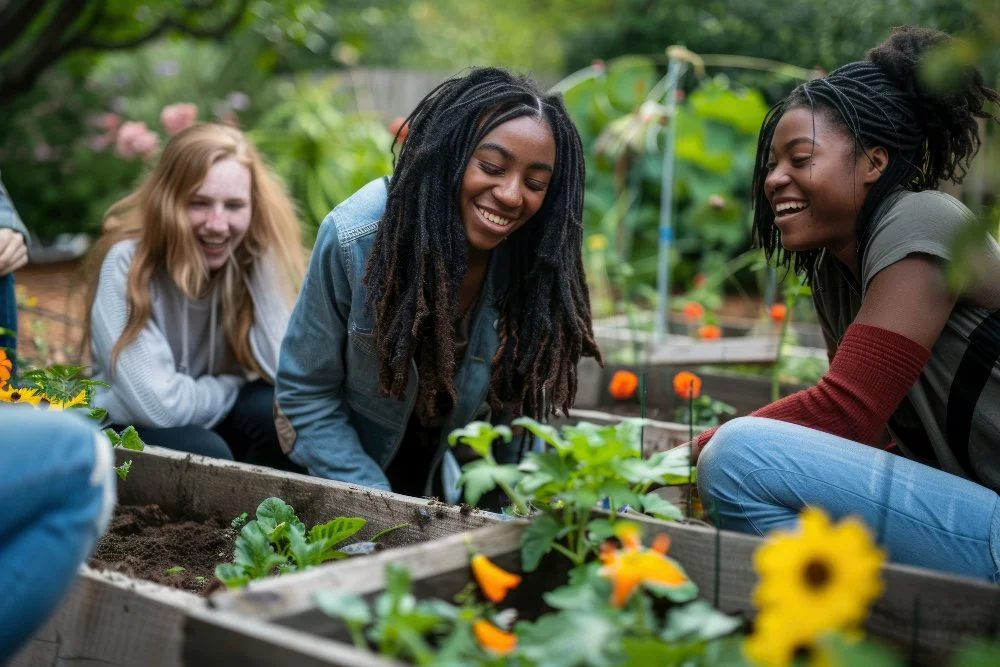
The two gardens provide skills training, community building, and a space for families to access healthy eating options. In 2026, the west garden was renamed the Sankofa Garden, an intergenerational teaching garden that celebrates the foods, drinks, and medicinal plants of the African Diaspora that continue to shape African American culture and cuisine. The garden also features Global Foods beds that honor the diverse culinary traditions of Binghampton's international community, celebrating the foods of home from cultures around the world.
These gardens developed from a neighborhood's desire to grow produce. CAG is located in a food desert with limited grocery options and virtually no access to fresh produce. Most CAG members live in Tillman Cove or Red Oak Apartments, where no space exists to plant independently. In 2013, Community Garden Coordinator LaTonya Hunt harvested our first cucumber; the rest is history.
Between 2013 - 2019 CAG hosted annual planting days for Binghampton community members, providing seeds, plants, soil, and water. While re-structuring programs during the pandemic, we turned all planting, harvesting, and plot development to our garden staff. This was an initial group of two adults and four teens who oversaw all the produce production from seedlings to selling at our pop-up market. As a result, the output tripled since 2019.
This shift allowed our team to plant and harvest 3x the amount of fresh, organic produce. During harvest time, our garden staff hosts a pop-up market in the mosaic sculpture garden. The organic, seasonal produce is sold at an affordable price with suggestions from our team on how to prepare at home.

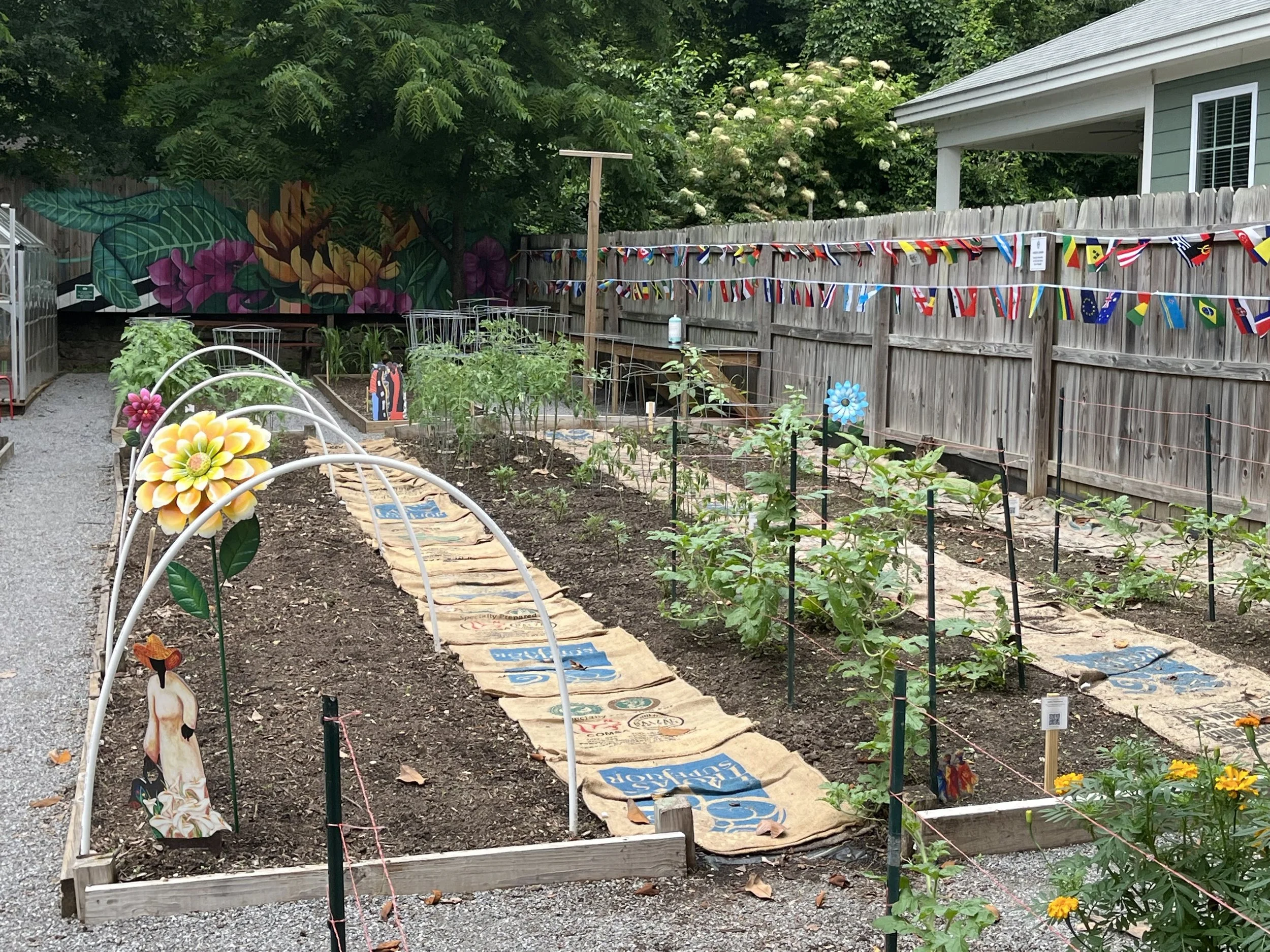
Sankofa Teaching Garden (Sponsored by the Garden Club of America and the Little Garden Club) dedicated in Spring 2026.
Why Purchase from Us?
Direct Community Impact
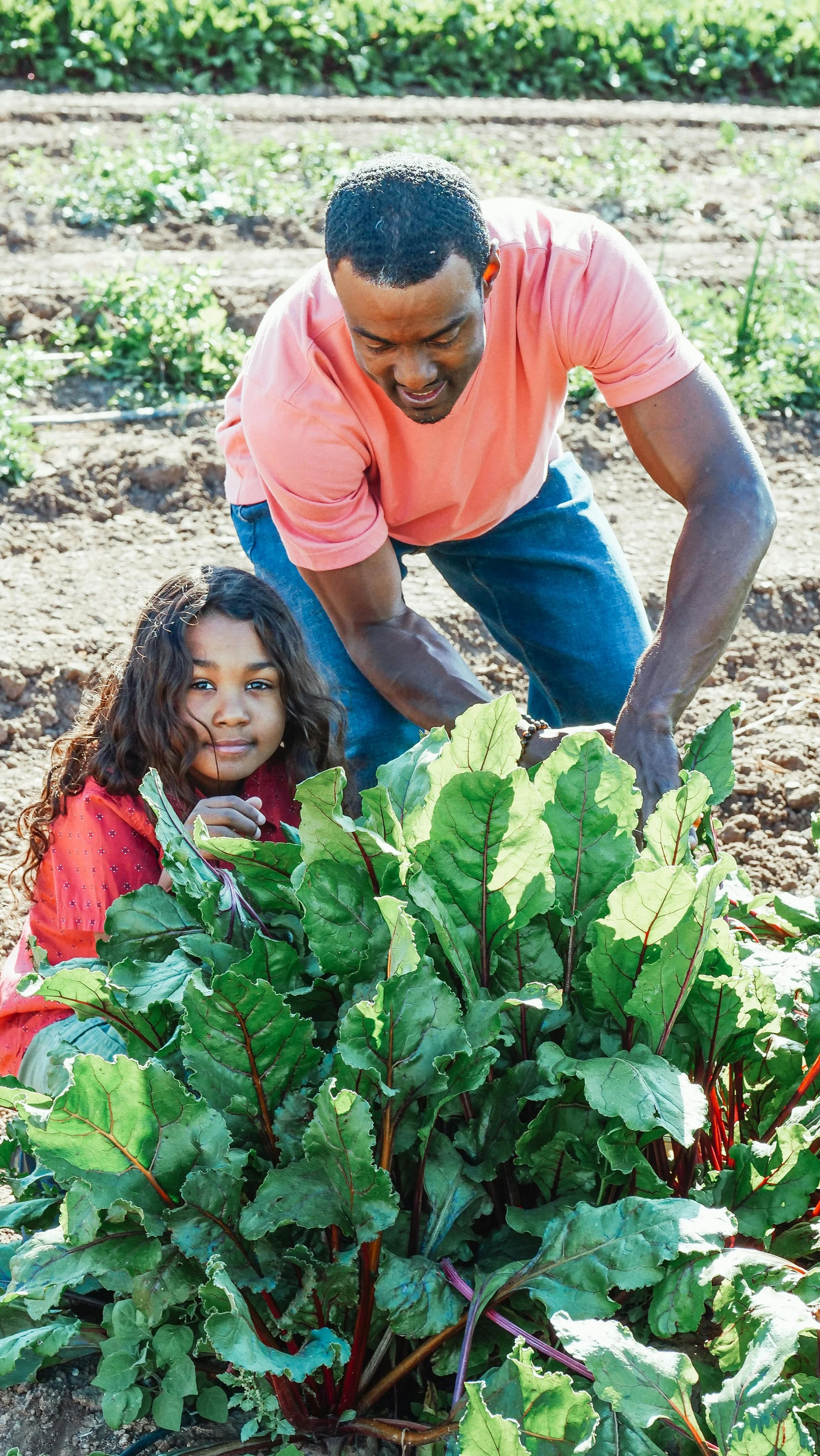
Every purchase directly supports food access for Binghampton residents living in a “food desert.” Revenue employs youth workers in our youth workforce program to work alongside our Urban Farmer. They contribute directly to food production and distribution, earn stipends, and develop a sense of ownership over neighborhood resources.
Locally Grown, Fresh, and Seasonal
Produce is harvested locally and distributed quickly at pop-up markets, farmer’s markets, and events.
Transparent Social Enterprise Model
Buyers can clearly see where their dollars go—funding food production, youth stipends, community distribution, and garden infrastructure.
Neighborhood Investment, Not Charity
Keeps money circulating locally, supports living-wage work, and builds long-term community assets rather than short-term food relief.
Education & Engagement Built In
Sustains workshops, youth learning opportunities, and community gatherings that strengthen food knowledge.